Thalapathy Vijay Sworn In As Tamil Nadu CM, Declares Sole Power Center
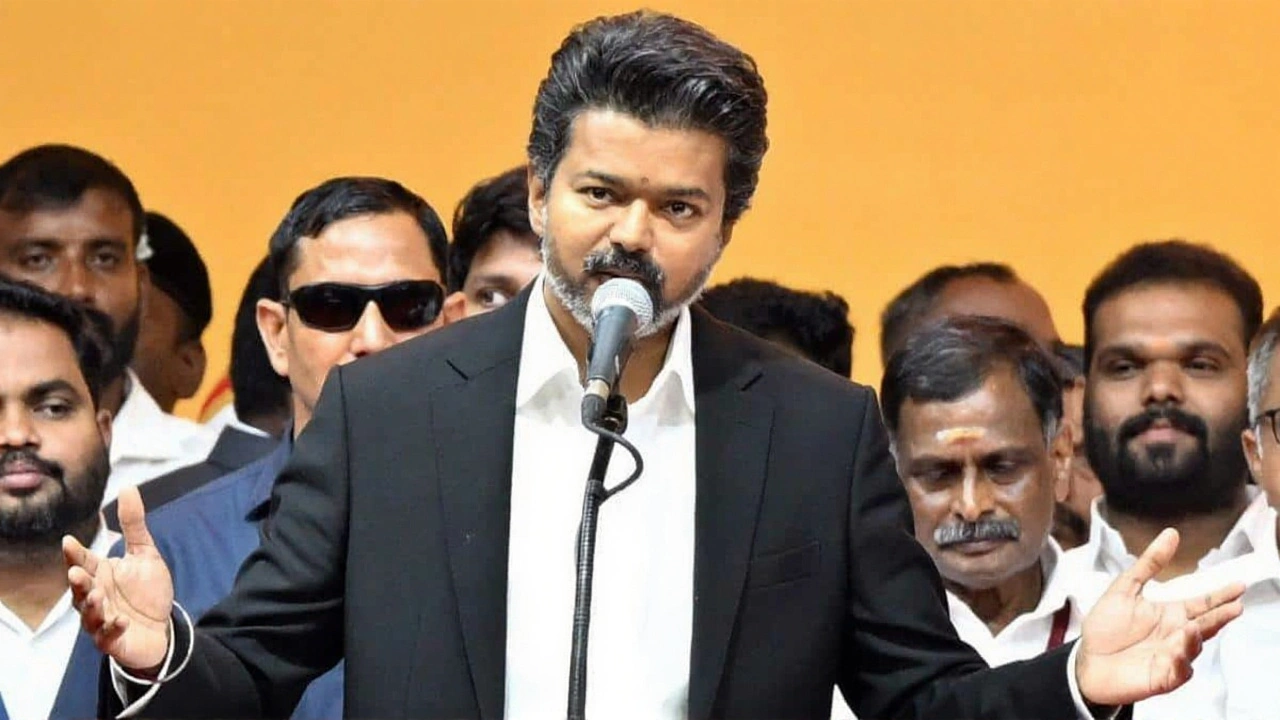
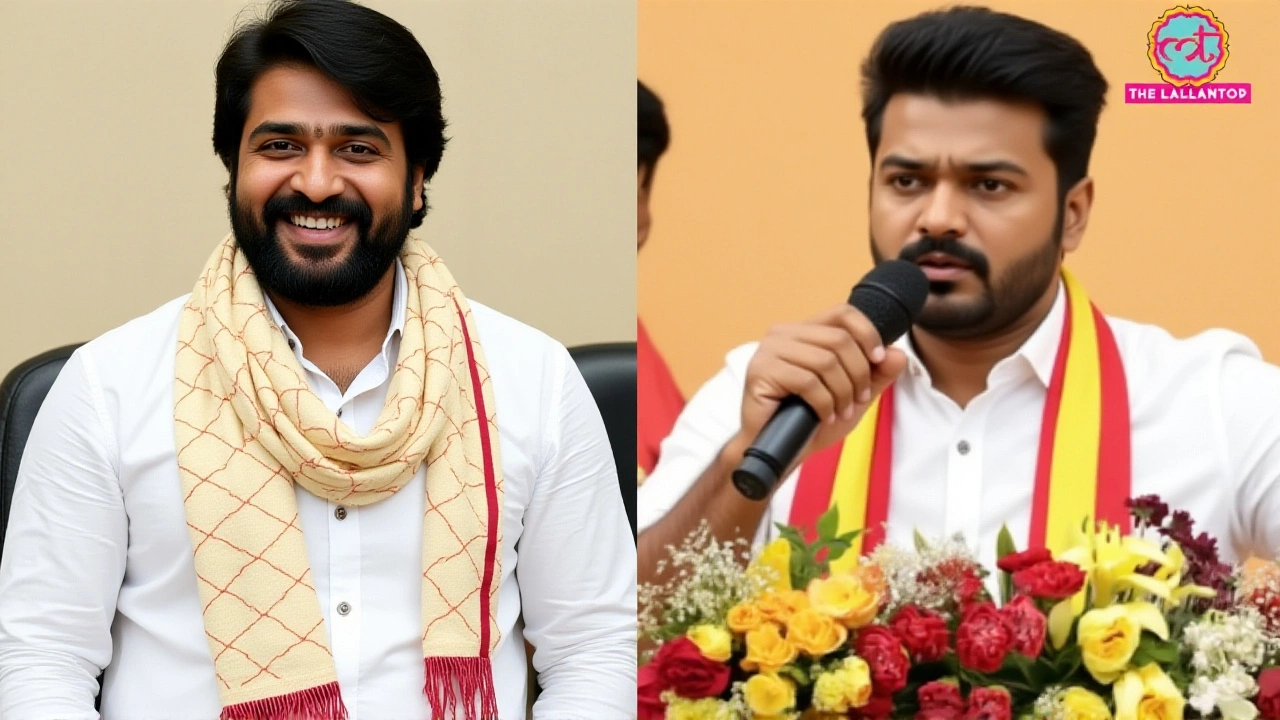
When C. Joseph Vijay, the superstar known globally as Chief Minister of Tamil Nadu, took his oath on Sunday, May 24, 2026, he didn’t just assume office—he seized it. Standing in the grand halls of Chennai’s Secretariat, with Congress heavyweights watching closely, Vijay delivered a message that left no room for ambiguity: there would be only one center of power in the state government, and that was him.
The ceremony, held at Chennai, was more than a routine swearing-in. It marked the end of four days of intense political maneuvering that had kept the entire nation guessing. From May 20 to May 23, speculation ran wild about who would lead the new coalition government. Now, with Vijay officially in charge, the uncertainty has been replaced by a bold, centralized vision for governance.
A Star’s Political Ascension
Vijay’s journey from blockbuster cinema to the corridors of power is nothing short of cinematic. For decades, he commanded screens across South India as “Thalapathy” (The Chief). Now, he commands the state administration. His party, Thamizha Munnetra Kazhagam (TVK), secured enough support to form the government, but the real story lies in how he chose to wield that power from day one.
In his first address, Vijay referred to himself as “Thambi” (younger brother)—a term of endearment deeply rooted in Tamil culture—while simultaneously declaring that no coalition partner would exert pressure on his decisions. He specifically addressed Rahul Gandhi, Congress MP and Leader of Opposition in Lok Sabha, calling him “Bhai” (brother), acknowledging the Congress party’s role in the coalition. Yet, the underlying tone was clear: while alliances are respected, authority rests solely with the Chief Minister.
“There will be no other power center besides me,” Vijay stated firmly. “I alone will remain the single center of power.” The statement, delivered directly in front of Gandhi and other dignitaries, was interpreted by analysts as both a reassurance to his massive fan base and a warning to potential rivals within and outside the coalition.
The Four Days of Uncertainty
The road to May 24 was anything but smooth. Between May 20 and May 23, 2026, Tamil Nadu witnessed a whirlwind of negotiations. Multiple parties, including the long-dominant Dravida Munnetra Kazhagam (DMK) and All India Anna Dravida Munnetra Kazhagam (AIADMK), were part of complex talks. Analysts noted that the final resolution came late on May 23, setting the stage for Vijay’s swearing-in the next morning.
This period of flux highlighted the shifting tides in Tamil Nadu politics. Traditionally dominated by DMK and AIADMK, the state now finds itself under the leadership of a celebrity-turned-politician whose influence transcends traditional party lines. Vijay’s ability to navigate these waters and emerge as the undisputed leader speaks volumes about his strategic acumen—and perhaps, his understanding of public sentiment.
Reactions and Implications
Mallikarjun Kharge, President of the Indian National Congress, extended his congratulations to Vijay following the ceremony. Kharge’s presence underscored the Congress party’s commitment to the alliance, even as Vijay asserted his independence. Meanwhile, political observers have described Vijay’s declaration as a “strong message” to all stakeholders, signaling that the new government will operate under a unified command structure.
The implications extend beyond Tamil Nadu. Vijay’s rise reflects a broader trend in Indian politics where celebrity endorsements and personal brands play an increasingly significant role. With petrol prices in New Delhi standing at ₹94.77 per litre and diesel at ₹87.67 per litre during this period, economic concerns remain high. Voters are watching closely to see if Vijay’s “new generation, new voice, new imagination” slogan translates into tangible policy changes.
What’s Next for Tamil Nadu?
As Vijay settles into the Chief Minister’s chair, eyes turn to his first major policy announcements. Will he prioritize infrastructure, education, or economic reforms? How will he manage relationships with coalition partners like DMK and AIADMK? And most importantly, can he deliver on the promise of being the sole decision-maker without alienating key allies?
Political experts suggest that Vijay’s initial moves will set the tone for his tenure. If he follows through on his assertion of centralized power, it could reshape the dynamics of coalition politics in southern India. Conversely, any missteps might expose the fragility of his position. One thing is certain: the “Thalapathy” era in Tamil Nadu politics has begun, and the drama is far from over.
Frequently Asked Questions
Who is Thalapathy Vijay and why is his election significant?
C. Joseph Vijay, widely known as Thalapathy Vijay, is a legendary actor in Tamil cinema who transitioned into politics leading the Thamizha Munnetra Kazhagam (TVK) party. His significance lies in breaking the decades-long duopoly of DMK and AIADMK in Tamil Nadu, representing a shift toward celebrity-led governance and appealing to younger, urban voters.
What did Vijay mean by 'no other power center'?
Vijay’s statement signifies his intent to centralize decision-making authority within his office. It serves as a directive to coalition partners, including DMK and AIADMK, that they should not expect equal leverage in policy formulation. This approach aims to prevent internal conflicts common in coalition governments but risks alienating allies if perceived as dismissive.
Why was Rahul Gandhi present at the swearing-in ceremony?
Rahul Gandhi attended as a representative of the Indian National Congress, which is part of the supporting coalition for Vijay’s government. His presence highlights the strategic alliance between national parties and regional leaders, aiming to consolidate opposition strength against the BJP-led central government while maintaining local autonomy.
How does Vijay's background affect his governance style?
Coming from cinema, Vijay brings strong communication skills and mass appeal but lacks traditional bureaucratic experience. Analysts note he may rely heavily on advisors initially. However, his direct connection with voters allows him to bypass traditional media filters, enabling rapid dissemination of his agenda, though potentially lacking nuanced policy depth early on.
What challenges does the new government face immediately?
Immediate challenges include managing high fuel prices (₹94.77/litre petrol), addressing unemployment among youth, and balancing demands from diverse coalition partners. Additionally, Vijay must prove his administrative competence beyond his star power, ensuring that promises made during campaigns translate into effective public services and infrastructure development.