Telangana Heatwave Kills 16; Govt Announces ₹4 Lakh Compensation
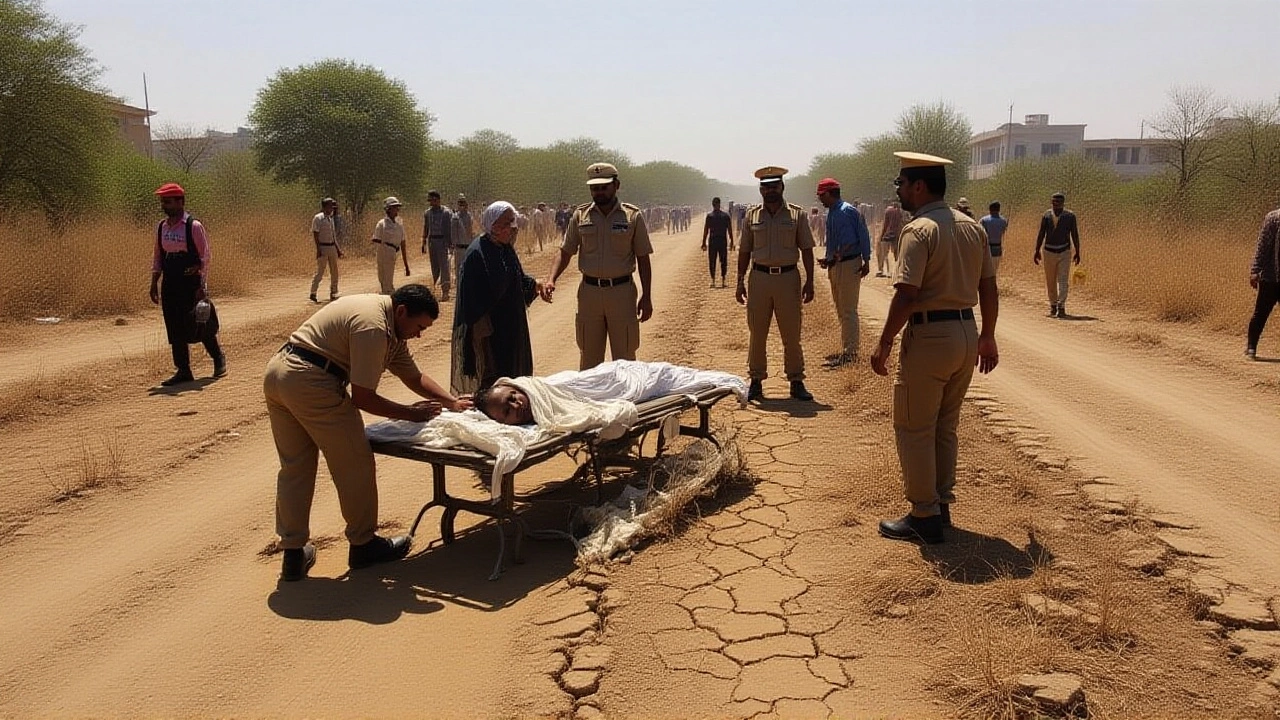
Seventeen days into May 2026, the scorching sun over Telangana has claimed another life. In total, sixteen people have died due to severe heatwaves across seven districts this season, a grim toll confirmed by state officials on Saturday. The tragedy underscores the intensifying danger of India’s summer months, where rising temperatures are no longer just uncomfortable—they are lethal.
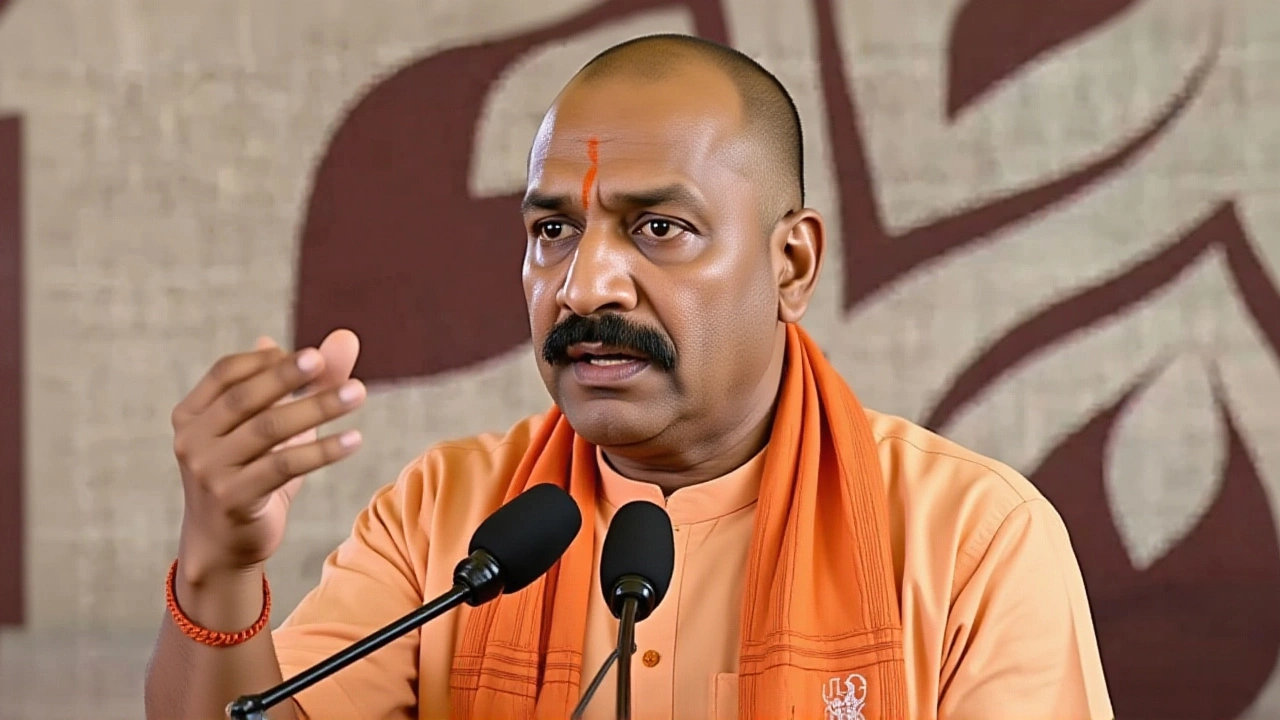
The announcement came from Ponguleti Srinivasa Reddy, Revenue Minister of Telangana State Government, who addressed the media with verified data collected from district collectors. It’s a stark reminder that while we often think of heat as a seasonal inconvenience, for many vulnerable communities, it is an immediate threat to survival.
A Deadly Toll Across Seven Districts
The distribution of these fatalities paints a picture of widespread distress rather than isolated incidents. According to reports filed by local administrators, Jayashankar Bhupalapally district recorded the highest number of deaths, with four lives lost. This isn't surprising given its rural landscape and agricultural dependency, which often forces workers outdoors during peak heat hours.
Other districts also reported significant losses:
- Warangal Urban: 3 deaths
- Karimnagar: 3 deaths
- Nizamabad: 3 deaths
- Jogulamba Gadwal: 1 death
- Ranga Reddy: 1 death
- Suryapet: 1 death
What stands out here is the geographic spread. From urban centers like Warangal to more remote areas like Jogulamba Gadwal, the heatwave spared no corner of the state. The details regarding the victims—their ages, occupations, or exact circumstances—are still unclear, but the pattern suggests a crisis affecting both daily wage laborers and those living in poorly insulated housing.
Government Response: Compensation and Criticism
In response to the mounting fatalities, the Telangana government has announced financial aid for the bereaved families. Each family will receive ₹400,000 (approximately $4,800 USD) as compensation. While this sum provides some relief, critics argue that monetary payouts come too late. "Money can’t bring back a loved one," said a local activist in Hyderabad. "We need better cooling centers, stricter work-hour regulations during peak heat, and improved infrastructure before the next wave hits."
The decision to offer compensation was made swiftly, reflecting the political pressure surrounding climate-related disasters. However, questions remain about the implementation timeline. How quickly will funds reach the families? Will there be bureaucratic hurdles? These administrative gaps often leave grieving households struggling even after official announcements are made.
Why Is This Year So Extreme?
This isn’t just a local issue—it’s part of a broader national trend. Across northern and central India, temperatures have surged between 45°C and 48°C recently. Cities like Delhi, Jaipur, and Bhopal have seen similar spikes, placing immense strain on power grids and public health systems. Experts point to changing atmospheric patterns and urban heat island effects as key drivers behind these record-breaking highs.
But wait—there’s more. Humidity levels combined with high temperatures create what meteorologists call “wet-bulb” conditions, making it harder for the human body to cool itself through sweating. Add in poor air quality and inadequate shade in cities, and you get a perfect storm for heat-related illnesses. As one climatology professor noted, "We’re seeing earlier onset of heatwaves and longer durations compared to previous decades. Our adaptation strategies haven’t kept pace."
Safety Tips That Could Save Lives
Amidst the tragedy, authorities have reiterated basic safety measures. Stay indoors during midday hours (12 PM – 4 PM). Drink plenty of water—even if you don’t feel thirsty. Wear light-colored, loose-fitting clothing. Avoid strenuous outdoor activities unless absolutely necessary.
Interestingly, recent advisories also highlight risks associated with electronics during extreme heat. Overheating batteries, especially in phones and laptops, can pose fire hazards. Keep devices away from direct sunlight, avoid overnight charging when possible, and ensure inverters and AC units are properly ventilated. Set your air conditioner to 24°C—a balance between comfort and energy efficiency.
Looking Ahead: What’s Next?
As May progresses toward June, the situation could worsen. Monsoon rains typically bring relief around mid-June, but until then, residents must remain vigilant. Local governments are urged to expand access to drinking water stations, set up emergency cooling shelters, and monitor elderly populations closely.
On a larger scale, this event should prompt policymakers to rethink long-term urban planning. Green roofs, tree-lined streets, and reflective building materials can reduce ambient temperatures significantly. Moreover, integrating early warning systems linked directly to community outreach programs might help prevent future tragedies.
Frequently Asked Questions
Who issued the latest update on heatwave deaths in Telangana?
The information was provided by Ponguleti Srinivasa Reddy, Revenue Minister of Telangana, based on reports submitted by district collectors across seven affected regions. He confirmed the total death toll stood at sixteen as of May 23, 2026.
How much compensation will families of victims receive?
Each family of a deceased person will receive ₹400,000 (four lakh rupees) as financial assistance from the state government. This amount aims to support survivors during their time of grief, though specifics about disbursement timelines remain unspecified.
Which districts were most impacted by the heatwave?
Jayashankar Bhupalapally reported the highest number of deaths with four fatalities. Other heavily affected districts include Warangal Urban, Karimnagar, and Nizamabad, each recording three deaths. Smaller numbers were noted in Jogulamba Gadwal, Ranga Reddy, and Suryapet.
Are there any preventive measures recommended by experts?
Yes. Authorities advise staying hydrated, avoiding outdoor exposure between noon and late afternoon, wearing breathable fabrics, and keeping electronic devices cool to prevent overheating. Additionally, setting ACs to 24°C helps conserve energy while maintaining safe indoor climates.
Is this heatwave part of a larger national trend?
Absolutely. Similar extreme temperature readings ranging from 45°C to 48°C have been observed across northern and central Indian states such as Uttar Pradesh, Madhya Pradesh, and Rajasthan. Meteorologists attribute this to shifting weather patterns and increased humidity complicating natural cooling mechanisms.